Running a hotel breakfast, banquet, or catering event means keeping food at a consistent, safe serving temperature for hours at a time. Your chafing dishes work hard — and so does your team maintaining them. Every time the water runs low, every time a heating element trips or fails mid-service, every time your staff wrestles with an awkward setup, the buffet operation is interrupted in ways guests will notice.
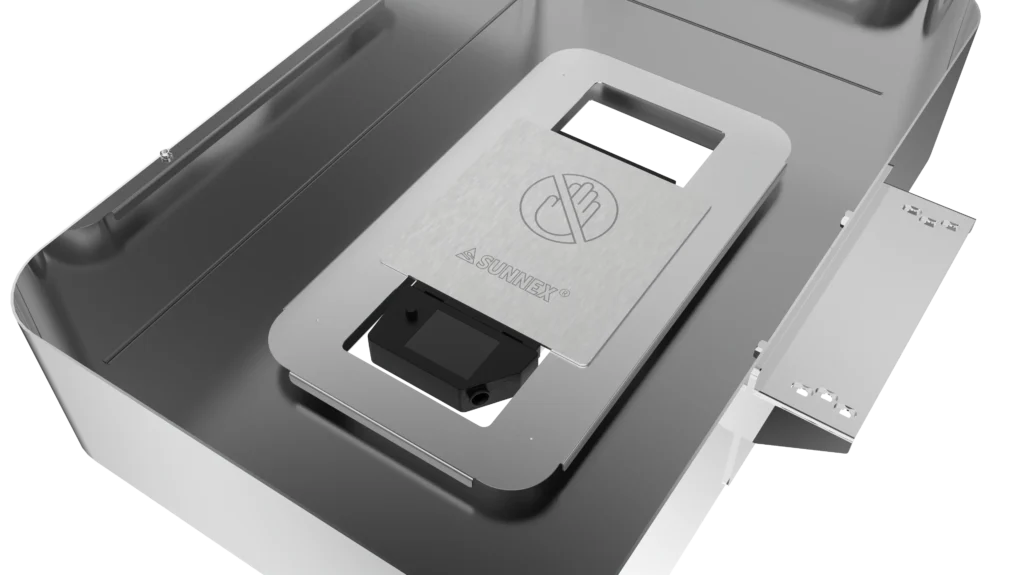
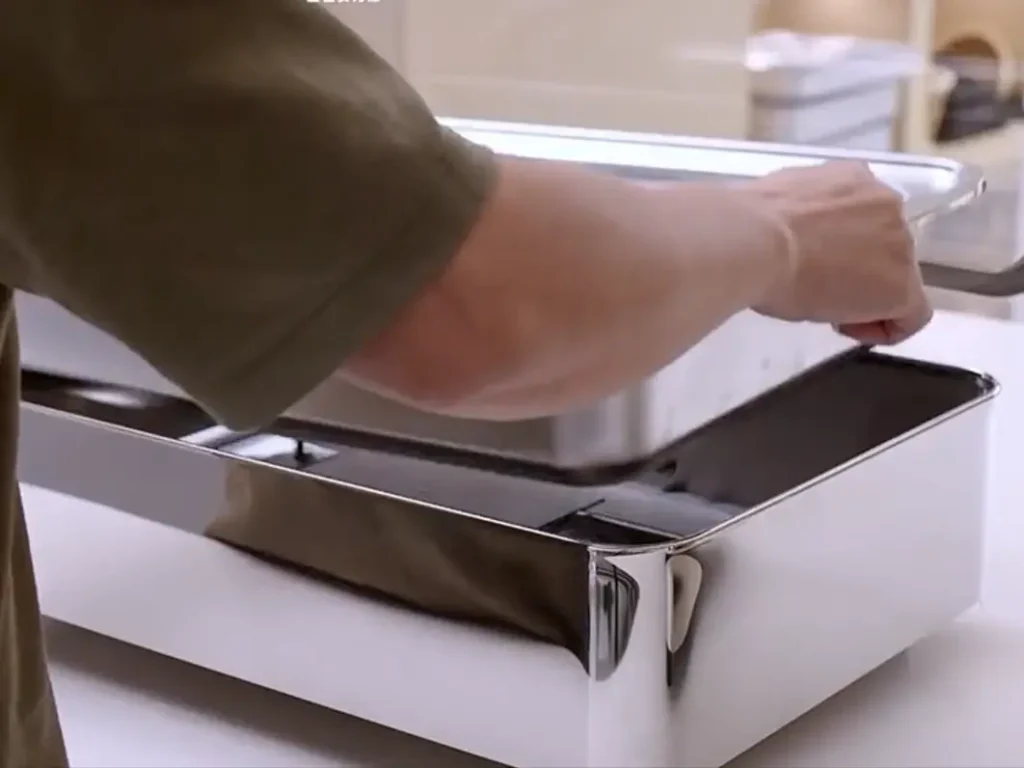
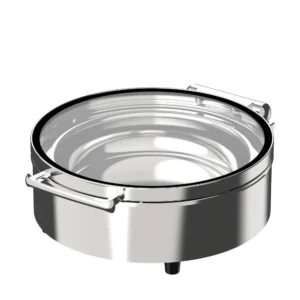
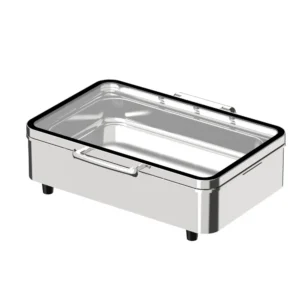
The Sunnex Z10 Electric Stainless Steel Chafer is designed to eliminate these interruptions. It replaces the traditional resistive heating filament with a solid-state PTC heating plate, introduces a truly removable water pan that triggers an automatic power-off when lifted, and is built to the same stainless steel commercial standard expected of a professional buffet operation.
To understand why the Z10’s heating technology matters, it helps to understand why traditional electric chafer heating elements fail.
Conventional electric water pan heaters use a resistive wire filament to generate heat. This wire expands and contracts with every heating cycle. Over time, those repeated stress cycles oxidise the wire, making it brittle and prone to breakage. When the filament fails, the entire water pan heating element must be replaced — a recurring cost that compounds over the years of a busy hotel buffet operation.
The Z10 replaces this vulnerable component with a solid-state PTC (Positive Temperature Coefficient) ceramic heating plate.
PTC stands for Positive Temperature Coefficient — a physical property of the ceramic material used in the heating element. As the ceramic reaches its target temperature, its electrical resistance automatically increases, which reduces the current flowing through it. The element effectively self-regulates: it runs at full power when cold, then smoothly reduces power as it approaches the target temperature — preventing overheating without needing an external sensor or control circuit.
The practical outcomes for commercial catering operations are significant:
No filament to burn out. The solid-state ceramic design has no moving parts and no wire that oxidises — eliminating the primary failure mode of traditional heating elements.
Self-regulating efficiency. The element only draws the power needed to maintain the target temperature, rather than cycling on at full power repeatedly.
Lower replacement costs. An element that lasts significantly longer means less maintenance spend and fewer unexpected equipment failures in service.
Greater safety. PTC heaters are inherently safer than traditional elements — without runaway heating risk and operating at a lower peak temperature.
For a hotel operating multiple chafers daily across breakfast, lunch, and dinner service, the long-term operational savings from a PTC heating system are a meaningful investment outcome — not just a specification detail.





 YouTube
 Instagram
 Facebook
 LinkedIn