Chafing Dish Explained: Features, Advantages, Benefits & Proof

Chafing Dish Explained: Features, Advantages, Benefits & Proof

A commercial chafing dish looks simple on the outside: a metal frame, a glass or roll-top lid, a pan of food sitting above a flame or heating plate. But the engineering behind that simplicity is exactly why it remains the global standard for buffet food service, decades after the first bain-marie systems were introduced to professional kitchens.

This breakdown uses the FABE framework — Features, Advantages, Benefits, Evidence — to explain not just what a chafing dish is, but why it consistently outperforms the alternatives, and what that means for hotels, caterers, and banquet operators trying to keep food safe, fresh, and appetizing for hours at a time.

F — Features: What It Is

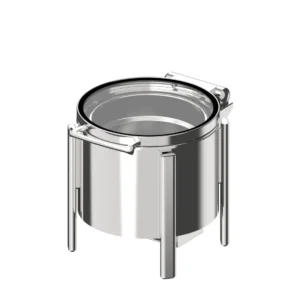
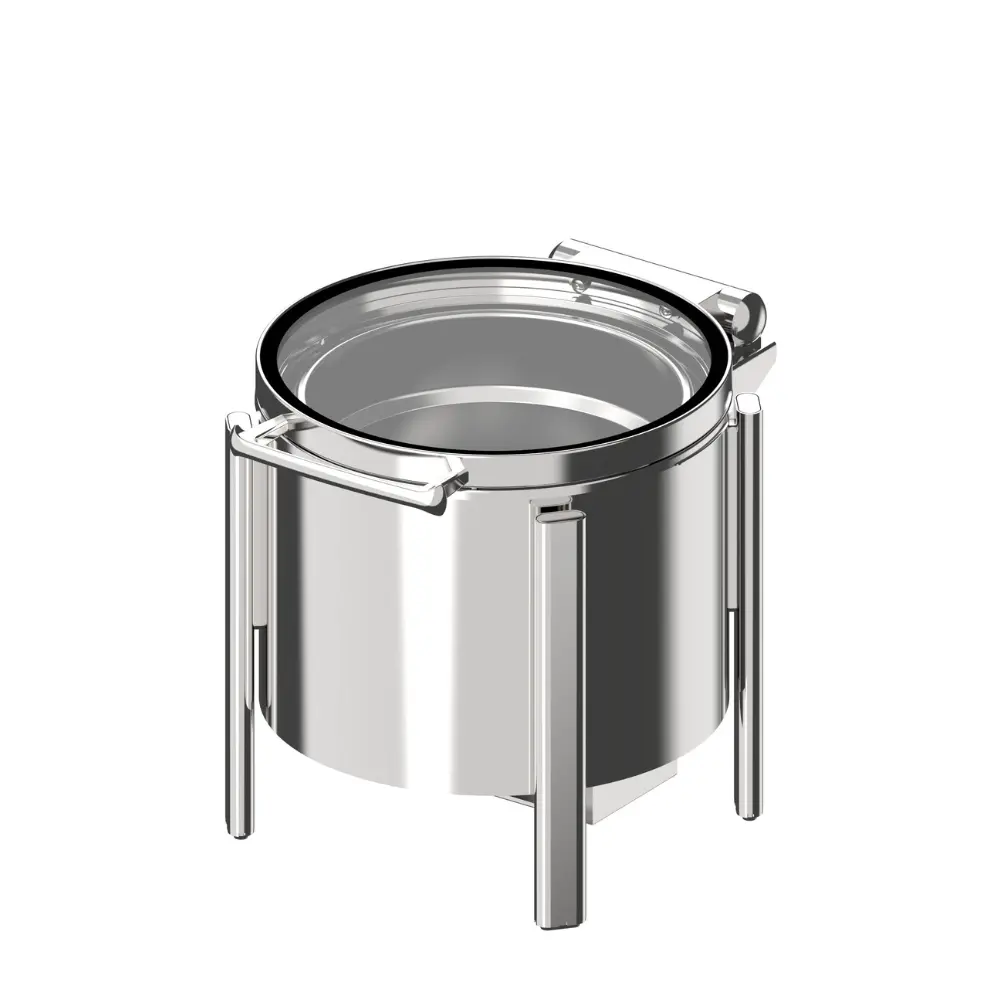
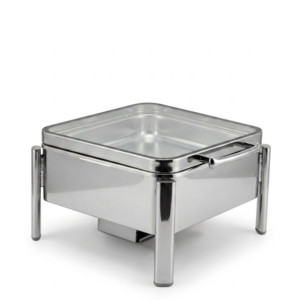
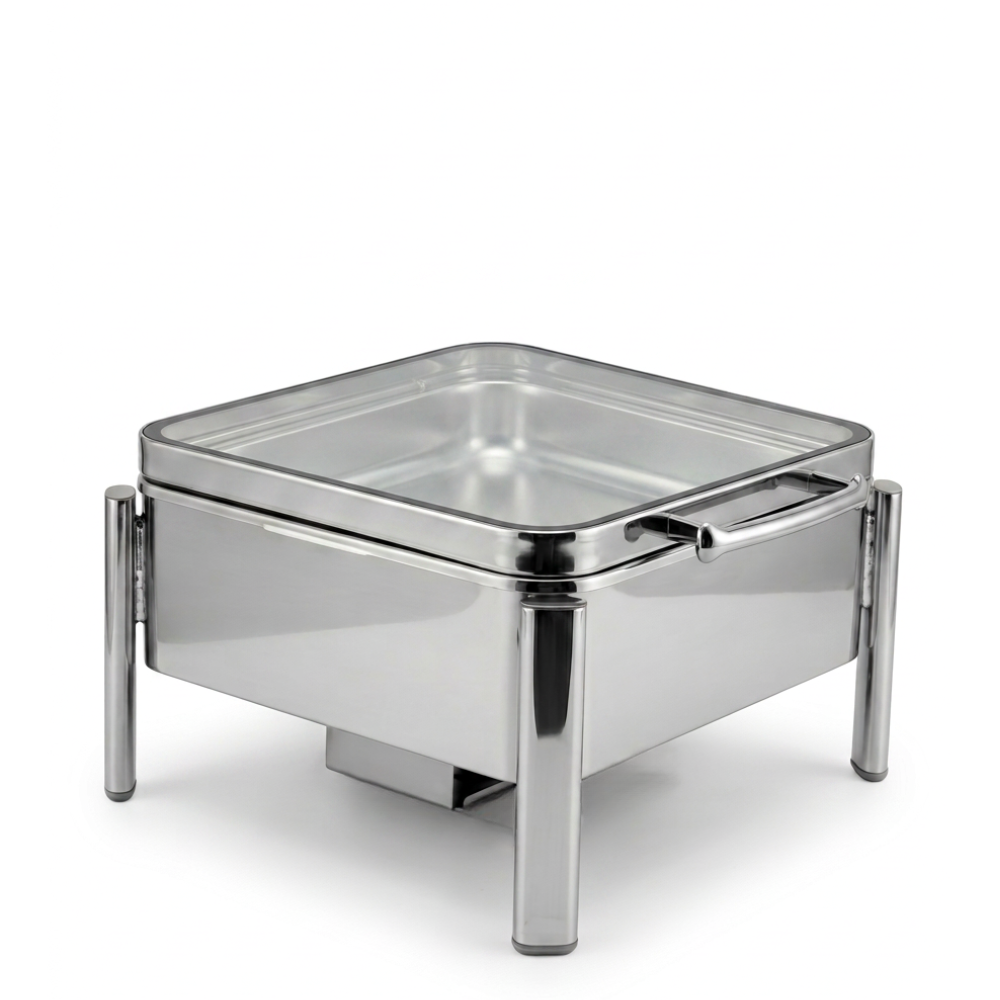
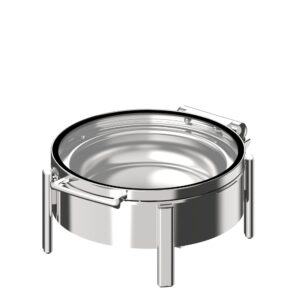
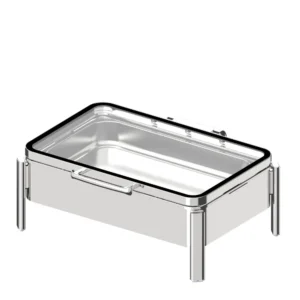
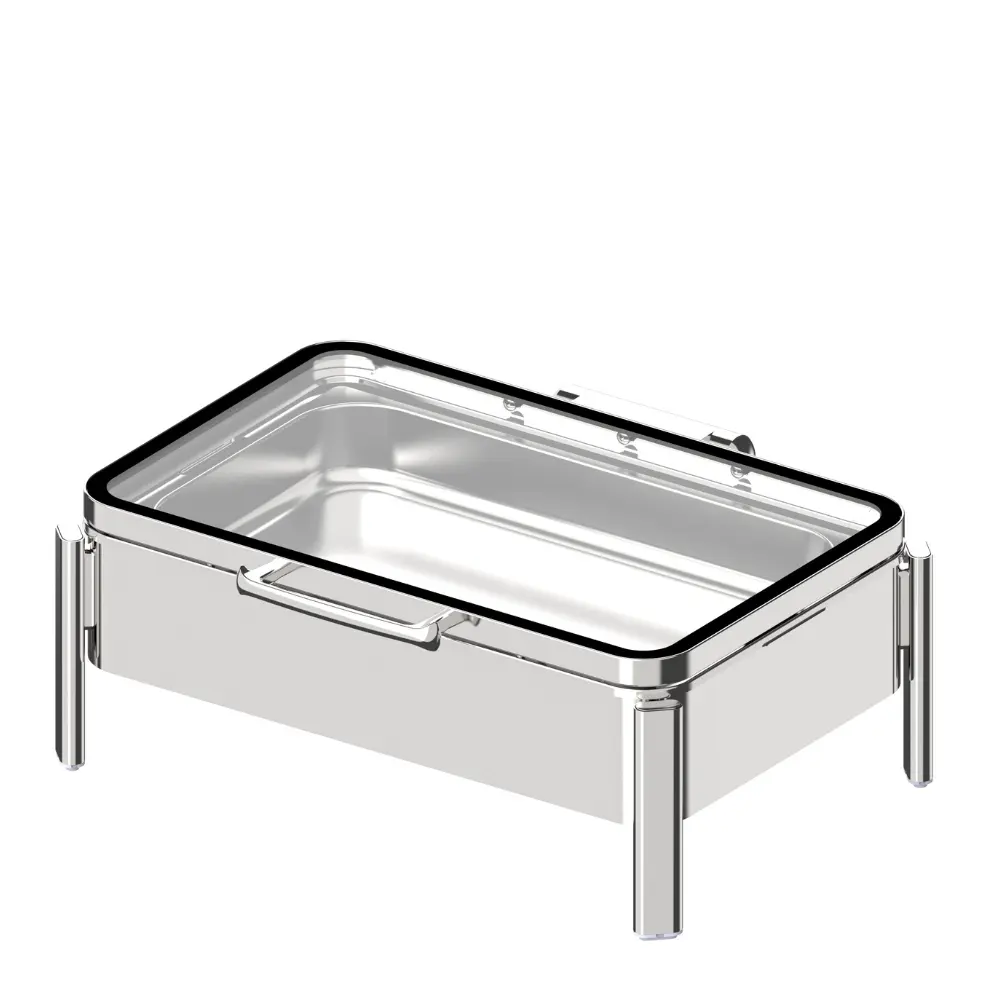
A standard commercial or buffet chafing dish is made of heavy-duty, food-grade stainless steel, most commonly in 18/8 grade (also known as 304 stainless steel, containing 18% chromium and 8% nickel) or the more economical 201 stainless steel. The unit is built around four core components:

  • water pan that holds the heat-transferring water bath
  • food insert pan (often a gastronorm/GN pan) that holds the actual dish being served
  • frame with built-in fuel holders for chafing fuel, or compatibility with electric/induction heating inserts
  • roll-top or removable lid, frequently featuring a tempered glass window for visibility

In practical terms, this makes the chafing dish an indirect, water-jacketed (bain-marie) food warming system, powered either by canned chafing fuel, an electric heating plate, or an induction-compatible base — giving operators flexibility depending on venue infrastructure and event mobility needs.

A — Advantages: How It Works Better Than Alternatives

The defining engineering advantage of a chafing dish is its indirect heat transfer. The water pan sits between the heat source and the food pan, creating gentle, evenly distributed steam heat rather than direct thermal contact.

This matters because direct-heat alternatives — open burners, hot plates, or slow cookers — apply heat unevenly, which can scorch, burn, or dry out food at the point of contact, particularly at the bottom of the pan. The water bath in a chafing dish buffers that heat, maintaining a stable, controlled holding temperature across the entire food surface rather than concentrating heat in one spot.

Fuel-powered chafing dishes add a second advantage: mobility without cords or electrical outlets. This makes them practical for outdoor catering, off-site banquets, or venues where power access near the buffet line is limited — something a fixed electric warmer or crockpot cannot offer.

B — Benefits: What's In It for the Operator

The practical result of this engineering is straightforward: catered food stays piping hot, fresh, and appetizing for hours without overcooking, drying out, or requiring constant kitchen intervention during service.

That translates into concrete operational value:

  • Lower labor costs during events — staff don’t need to babysit the buffet line or continuously reheat food
  • Reduced food waste — even, controlled heat prevents the scorching and drying that leads to discarded portions
  • Food safety compliance — maintaining hot-holding temperatures above the regulatory minimum keeps food out of the bacterial danger zone
  • A professional, high-end presentation — polished stainless steel and glass-lid visibility elevate the perceived quality of any buffet or banquet setup

E — Evidence: Proof and Validation

Regulatory Compliance

The food safety benefit of a chafing dish isn’t a marketing claim — it’s grounded in binding regulatory standards. The FDA Food Code (Section 3-501.16) requires that hot Time/Temperature Control for Safety (TCS) food be maintained at 135°F (57°C) or above at all times during service, with food falling into the 41°F–135°F “danger zone” for more than 4 hours requiring immediate reheating to 165°F or disposal.

The FDA’s official buffet safety guidance reinforces this directly for consumer-facing buffet service, stating that hot foods should be kept at an internal temperature of 140°F or warmer, and that chafing dishes are a named example of acceptable hot-holding equipment for this purpose.

Internationally, Hong Kong’s Centre for Food Safety (CFS) sets a comparable standard, requiring that hot food be kept at temperatures over 60°C and that chafing dishes or bain-maries be preheated above 60°C before food is placed inside — confirming that this water-bath principle is a globally recognized food safety practice, not a regional one.

Material and Certification Standards

On the manufacturing side, NSF International certification is the recognized benchmark for foodservice equipment safety and sanitation compliance in commercial kitchens. NSF-certified chafing dish lines confirm compliance with recognized U.S. foodservice safety and sanitation standards, giving operators a verifiable, third-party assurance of hygienic performance beyond the manufacturer’s own claims.

Material-grade proof further reinforces the case for quality construction: 18/8 (304-grade) stainless steel offers excellent resistance to corrosion, staining, and oxidation compared to lower-grade 18/0 or 201 stainless steel, making it the preferred material for chafing dishes expected to withstand years of daily commercial use, dishwasher cycles, and sanitizer exposure.

Industry Track Record

Beyond regulation and certification, the chafing dish’s staying power is evident in its universal adoption: it remains the standard hot-holding solution across hotel breakfast buffets, wedding banquets, corporate catering, and large-scale hospitality operations worldwide — a track record built on decades of reliable, compliant, and visually elegant food service.

Bringing FABE Together

FABE ElementSummary
FeatureFood-grade stainless steel (304/201) with water pan, food pan, frame, and lid — a water-jacketed bain-marie system.
AdvantageIndirect steam heat prevents scorching; fuel power adds cord-free mobility versus electric alternatives.
BenefitHot, fresh food for hours; lower labor and food waste costs; food safety compliance; premium presentation.
EvidenceFDA Food Code 135°F/57°C hot-holding standard, CFS 60°C standard, NSF certification, 304-grade material testing.

For hotel and catering buyers evaluating chafing dish options, this framework offers a practical way to separate genuine engineering value from marketing language — and to confirm that any chosen unit meets the same regulatory hot-holding standards that govern professional food service worldwide.

Get the latest news and updates to your inbox

We only use your information to send you emails that are most relevant to your specific role in the foodservice industry.
[rvp_show no_products='8' slider_use ='true']

Get the latest news and updates to your inbox

We only use your information to send you emails that are most relevant to your specific role in the foodservice industry.

[do_widget id=black-studio-tinymce-6]

Online MarketPlace

The Place

The Place

HKTV Mall

HKTV Mall