
 HKD
HKD USD
USD
Choosing the right chafing dish is not just about presentation. For hotels, restaurants, banquet halls, and catering teams, the real question is which option delivers better long-term value: fuel-based chafing dishes or electric chafing dishes. While fuel chafers may look cheaper at first, electric and dry heat waterless models can reduce operating costs, improve temperature control, and simplify daily service.
Fuel vs Electric Chafing Dish: Which Is More Cost-Effective?
Fuel vs Electric Chafing Dish: Which Is More Cost-Effective?
In many professional buffet settings, cost-effectiveness is measured by total ownership cost, not only the purchase price. That means fuel consumption, labour, safety, cleaning time, and energy usage all matter. This is where Sunnex Lido electric chafers and dry heat waterless chafers stand out as practical solutions for modern foodservice operations.
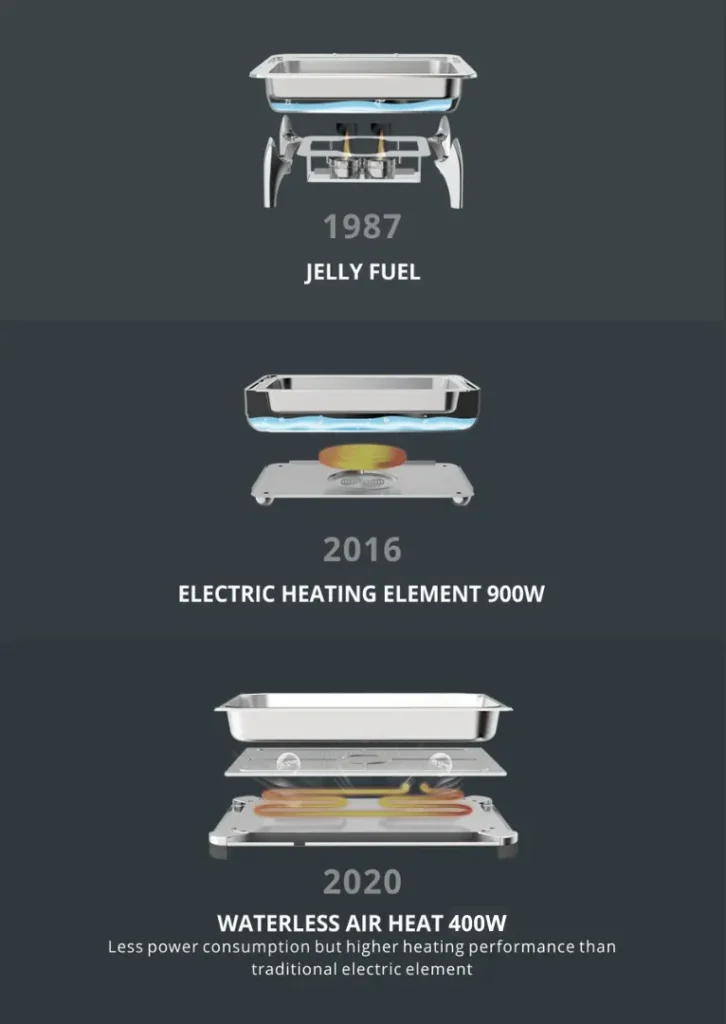
What Is a Fuel Chafing Dish?
A fuel chafing dish uses disposable fuel cans or gel fuel to heat the water pan underneath the food pan. It is popular for outdoor catering, temporary setups, and locations without power access. Its biggest advantage is low upfront cost and easy mobility.
However, fuel chafers require constant refilling, flame monitoring, and safe disposal of empty fuel cans. Over time, the consumable cost adds up, especially in hotels or restaurants that use buffet setups every day. For high-volume operations, fuel can become a recurring expense rather than a one-time solution.
What Is an Electric Chafing Dish?
An electric chafing dish uses electricity to heat the unit, maintaining stable food temperature without open flame. It is better suited to indoor service, hotels, banquet halls, breakfast stations, and all-day buffet environments. Many electric models also offer more precise temperature control and safer operation.
The Cost Comparison
The most important difference between fuel and electric chafers is not the purchase price, but the ongoing running cost. Fuel chafers look affordable at first because the unit price is often lower, but every service shift requires fuel cans, and those consumables repeat every day.
Electric chafers, by contrast, have a higher initial investment but usually lower daily operating costs. Sunnex dry heat waterless chafers make this even more attractive because they use 400W instead of the 900W typical of older electric chafers, cutting electricity use by more than half in the same period. That difference becomes meaningful when the unit is used every day in a hotel, resort, or catering business.
| Factor | Fuel Chafing Dish | Electric / Dry Heat Chafer |
|---|---|---|
| Upfront cost | Lower | Higher |
| Daily running cost | Higher due to fuel cans | Lower due to electricity efficiency |
| Temperature control | Less precise | More stable and consistent |
| Safety | Open flame risk | No open flame |
| Labour | More refilling and monitoring | Less manual handling |
| Best for | Outdoor / occasional use | Hotels / daily buffet service |
Why Sunnex Lido and Dry Heat Chafers Stand Out
Sunnex Lido electric chafers are designed for professional buffet service with fast heat-up, energy-saving mode, detachable water pan for easier cleaning, and safety features such as auto power-off and air barrier structure. These features help operators reduce both energy waste and labour time.
1/1 Lido Electric Chafer
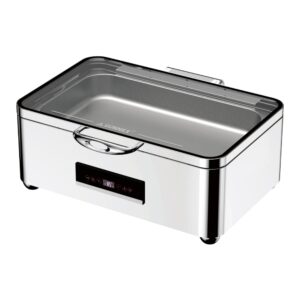
1/1 Dry Heat Waterless Chafer

Sunnex dry heat waterless chafers go one step further by removing the need for a water pan and reducing the hassle of refilling water during service. Sunnex states that its waterless dry heat technology saves water, energy, and labour, while offering precise temperature control. For businesses that want to lower operating cost without sacrificing presentation, this is a strong value proposition.
When Fuel Still Makes Sense
Fuel chafers are not obsolete. They still make sense for outdoor events, temporary catering, mobile setups, and venues without sufficient electrical supply. Their portability and lower entry price make them practical in specific use cases.
If a customer only hosts occasional events, fuel may remain the cheaper option overall. But for hotels, resorts, banquet halls, and catering chains that run buffets regularly, the repeated fuel purchases and manual management usually make fuel more expensive over time.
Which One Is More Cost-Effective?
For most professional foodservice businesses, electric chafing dishes are more cost-effective in the long run. If you move from traditional fuel service to Sunnex Lido or dry heat waterless chafers, you reduce recurring fuel purchases, improve temperature stability, cut labour time, and strengthen safety standards.
In short:
Choose fuel chafers if you need low upfront cost and portability.
Choose electric or dry heat chafers if you want lower running cost, better control, and better long-term value.
Cost-effectiveness is not just about the price tag on the first day. It is about how much the equipment costs to run, clean, monitor, and maintain over time. That is why Sunnex Lido electric chafers and dry heat waterless chafers are well positioned for modern hospitality operators who care about efficiency, safety, and brand presentation.
For frequent buffet service, the answer is usually clear: electric and dry heat chafers deliver better total value than fuel chafers


 YouTube
 Instagram
 Facebook
 LinkedIn