For most hotel guests, breakfast is the first experience of the day — and the beverage station is the first stop. Before they touch a plate, guests reach for coffee, tea, or juice. How that station is equipped, organised, and maintained sets the tone for the entire meal and, by extension, their morning. A 2025 survey on hotel amenity trends found that high-quality coffee programmes rank among the top amenities for guest satisfaction, with in-room and lobby beverage service both cited as key differentiators for repeat bookings.
This guide is written for hotel F&B managers and operations teams responsible for setting up and maintaining the breakfast beverage station. It covers equipment selection, layout, temperature standards, and daily service protocols.
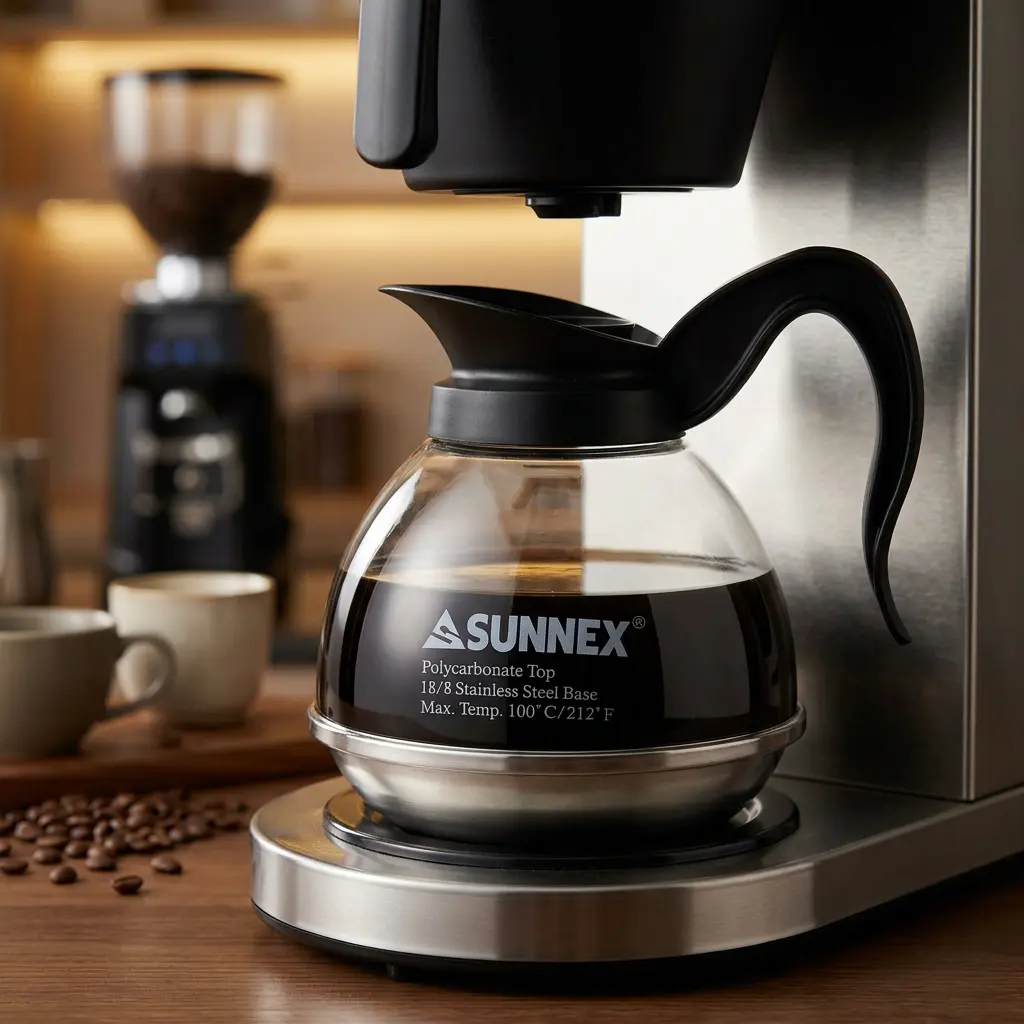
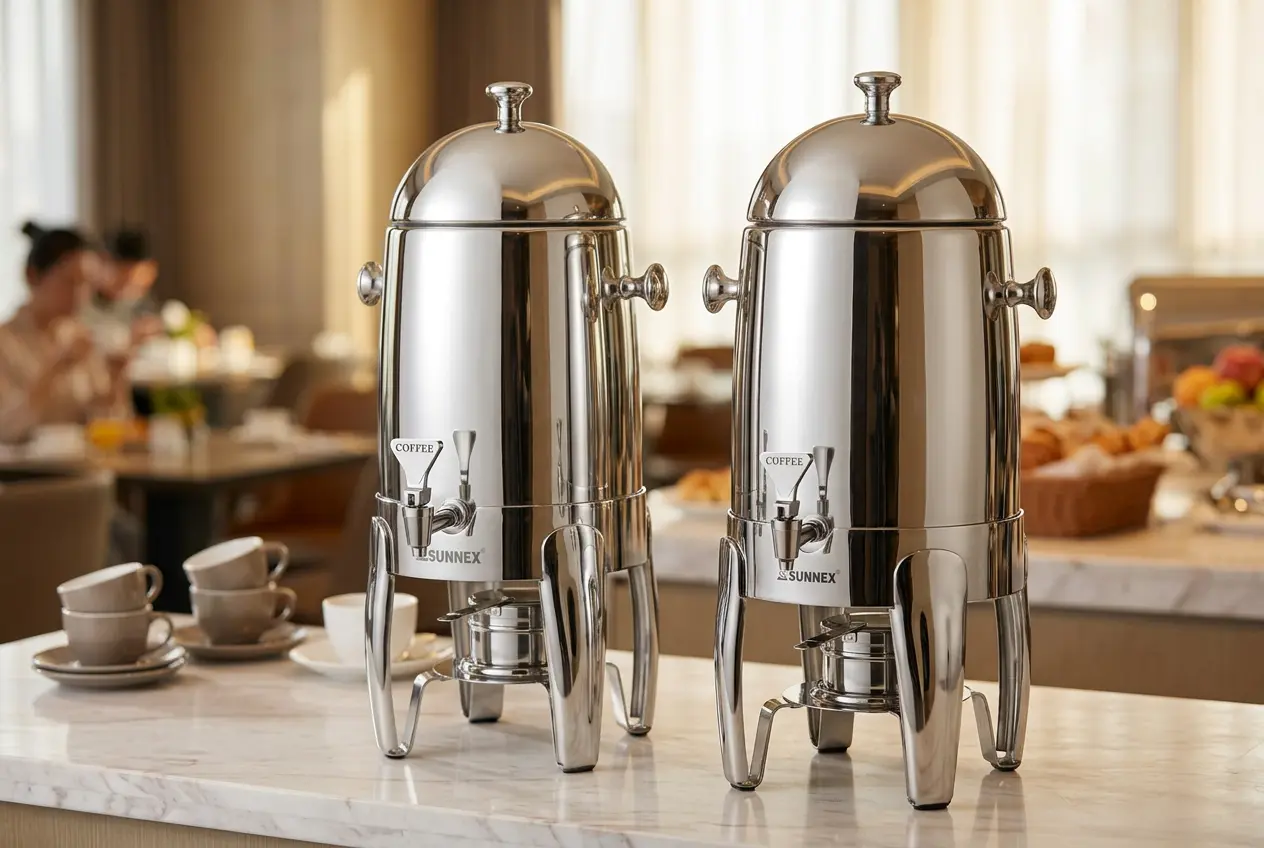
In many hotel operations, the beverage station is treated as a footnote to the hot food buffet — placed wherever space allows. This underestimates its impact. A beverage station serves three fundamentally different product types simultaneously: hot beverages (coffee and tea held at 85–96°C), cold beverages (juice held below 8°C), and ambient accompaniments (milk, cream, sugar, lemon, honey). Each has different temperature requirements, equipment needs, and restocking intervals.
It recommends separating the beverage station from the food buffet line entirely, noting that “guests will visit the beverage area more than once during breakfast, and keeping this well-trafficked area away from the food will mitigate a clogged dining area.” A dedicated beverage station — with its own equipment, layout, and service protocol — is one of the highest-return investments a hotel F&B team can make.

 HKD
HKD USD
USD


 YouTube
 Instagram
 Facebook
 LinkedIn