

A food warmer lamp is one of the most visible pieces of equipment on any hotel buffet or carving station — and one of the most underspecified when operators are purchasing. The right heat lamp keeps food at safe serving temperatures, preserves texture and appearance, and adds a professional visual warmth to the presentation. The wrong choice leads to uneven heating, dried-out dishes, or a station that simply does not look the part. This guide covers everything hospitality buyers need to know to make the right decision.
Food Warmer Lamps for Hotels and Buffets
Food Warmer Lamps for Hotels and Buffets
Commercial Food Warmer Lamps
Most commercial food warmer lamps use infrared bulbs as their primary heat source. Infrared radiation penetrates the surface of food gently, warming it without the aggressive drying effect of hot air convection. This makes heat lamps especially well suited for proteins (carved meats, roasted dishes), pastries, and dishes where maintaining surface moisture and texture is important.
Why Food Safety Standards Drive the Specification Decision
The starting point for any food warmer lamp specification is food safety compliance, not aesthetics. Hot food on buffet display must be maintained at a minimum internal temperature — the FDA standard is 140°F (60°C) or above for hot holding; the UK Food Standards Agency and Hong Kong Centre for Food Safety require 63°C or above.
A heat lamp that fails to maintain food above this threshold is not merely a performance disappointment — it is a regulatory and public health risk. This makes the choice of wattage, lamp-to-food distance, and coverage area as much a compliance decision as a procurement one. Hotel F&B managers should treat minimum holding temperature as a hard specification requirement, not an aspiration.
The Three Main Types of Commercial Food Warmer Lamp
1. Countertop Warming Lamps
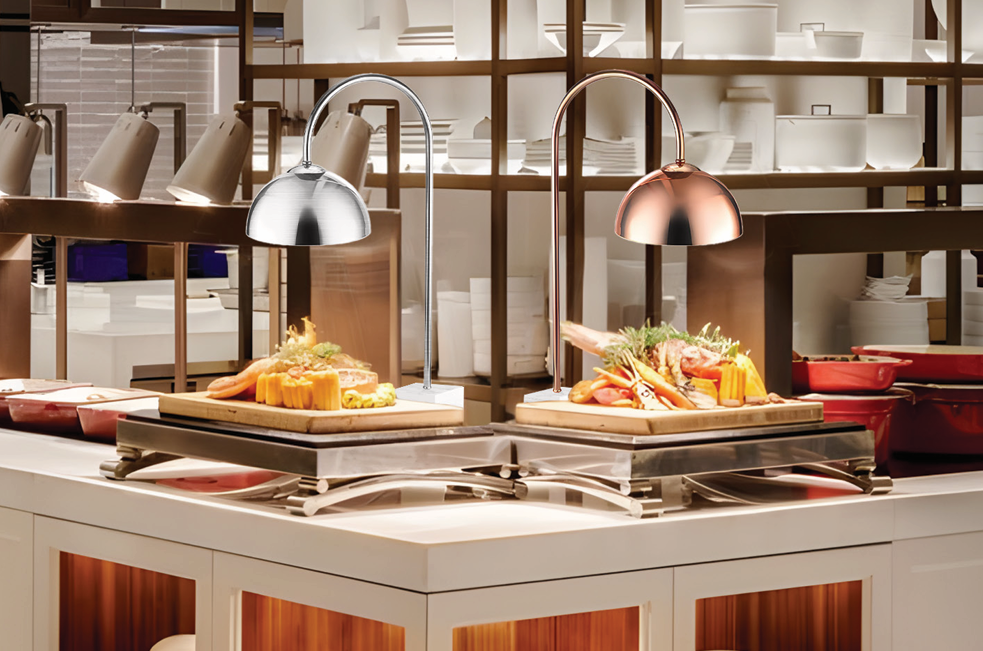
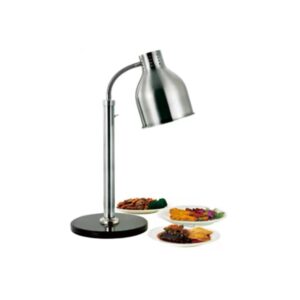
Countertop warming lamps are self-contained units that sit on the buffet counter or pass-through surface, with an adjustable arm and lamp head. They are the most flexible type — easy to reposition between service periods, require no installation, and can be used at temporary or event catering setups.
Best for:
Carving stations (roast meats, whole joints, leg of lamb)
Flexible buffet setups where station locations change between meal services
Event catering at venues without fixed buffet infrastructure
Smaller operations that need portable, plug-and-use equipment
Key consideration: Coverage area for a single countertop lamp is typically limited below the lamp head. For wider displays, multiple units or a different lamp format is needed.
2. Overhead Warming Lamps
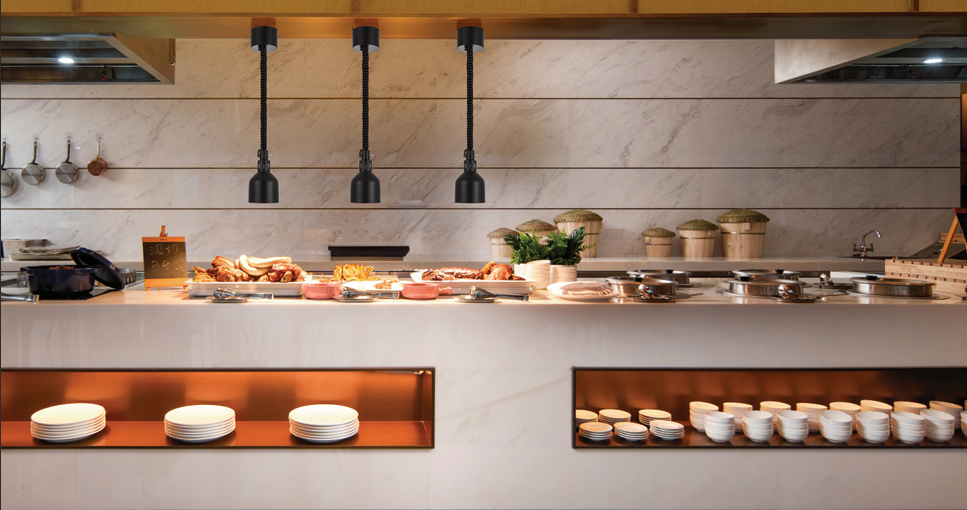
Overhead warming lamps (Pendant warming lamps) are suspended from above — either on a floor-standing pole frame or ceiling-mounted — and radiate heat over a wider food display area from a higher position. They are the most common format for fixed hotel buffet stations, carving counters, and permanent service lines.
Best for:
Fixed hotel breakfast buffet stations
Dedicated carving and live cooking stations
Pass-through counters in hotel restaurants
Permanent buffet installations where consistent coverage is needed
Key consideration: Pole-mounted pendant lamps (as distinct from hardwired ceiling-mount units) offer the flexibility of a fixed-look installation without permanent electrical work.
3. Strip Warming Bars
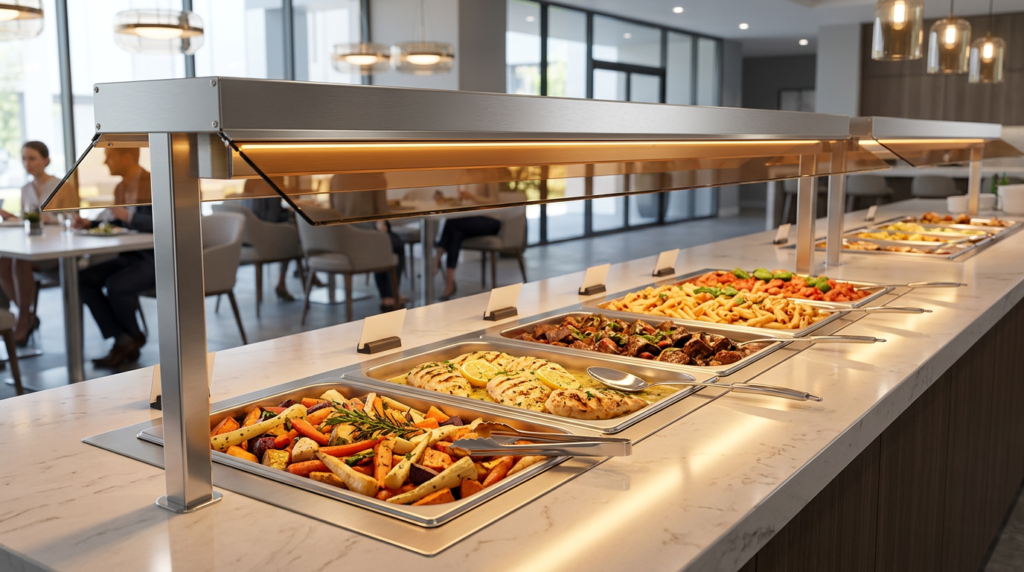
Strip warmers feature multiple lamps in a linear arrangement and are designed to cover long service counters or wide buffet runs. They provide more even heat distribution across a larger area and are commonly used in large-scale banqueting operations and high-volume hotel buffets.
Best for:
Large buffet runs covering multiple dishes in sequence
Hotel banqueting and conference service
Cafeteria and institutional food service
Wattage determines how quickly a lamp can raise food temperature and how well it can maintain heat in the face of ambient air movement. Commercial food warmer lamps typically range from 250W to 1,000W per bulb:
Lamp Styles: Matching Aesthetics to the Venue
A food warmer lamp is on permanent display in the dining space, so aesthetics matter as much as function. Modern hotel buffets increasingly demand equipment that enhances the visual environment rather than detracting from it.
The Sunnex food warmer lamp range covers multiple design directions:
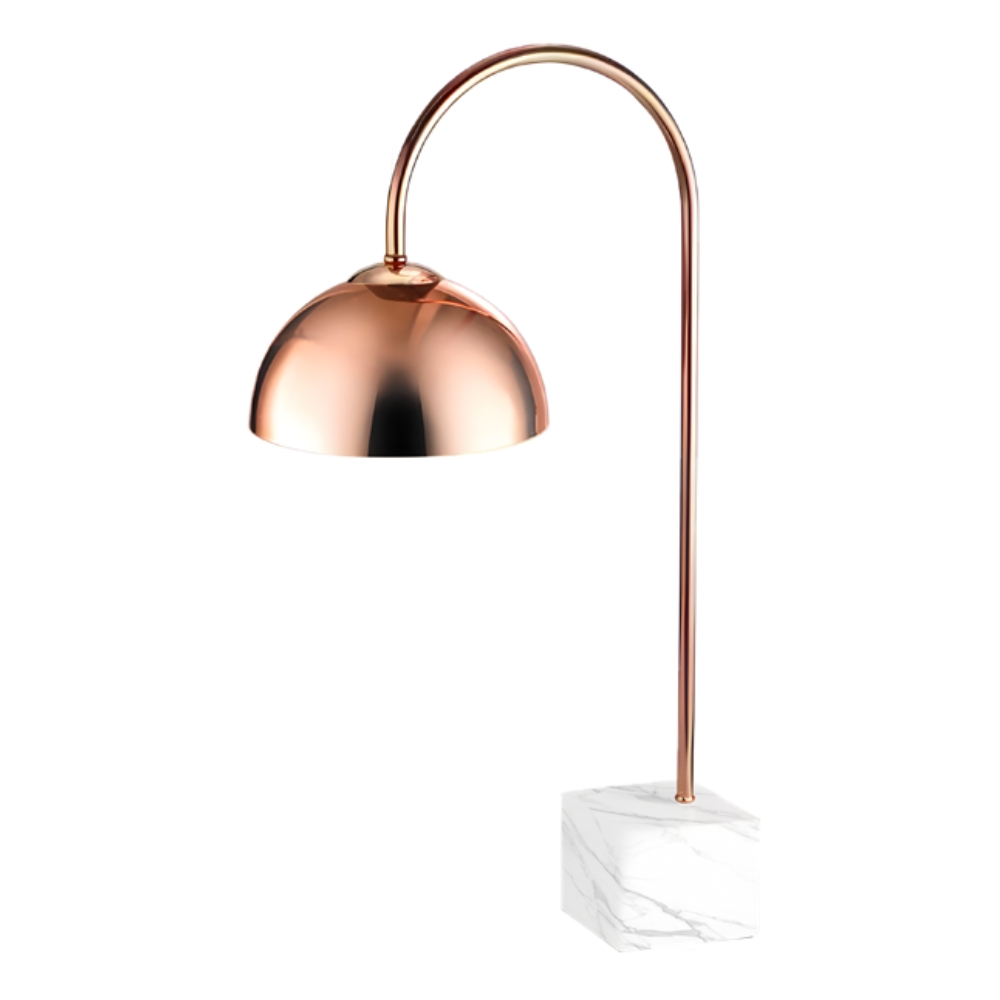
Copper and warm-tone finishes — premium look for 5-star and fine dining environments
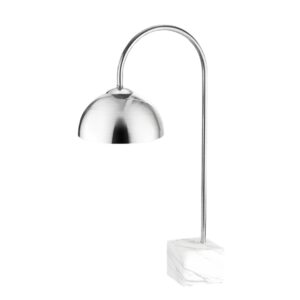
Marble base models — the newest trend in buffet presentation, combining the warmth of natural stone with the precision of infrared heating; ideal for high-end breakfast and brunch stations where the equipment itself is part of the visual experience.
Maintenance and Safety Checklist
Proper maintenance extends the life of commercial heat lamps and keeps them operating safely:
Check infrared bulbs every 3–6 months — bulbs lose output efficiency before they fail visibly, meaning food temperature compliance can drop without an obvious warning
Keep lamp heads free of grease and food residue — accumulated residue near the bulb is a fire hazard and reduces heat output
Maintain correct lamp-to-food distance — the manufacturer’s recommended distance (typically 30–60 cm from food surface) optimises temperature maintenance without drying food; too close causes surface drying, too far reduces effectiveness
Use dual-power models where available — lamps with a separate high/low output mode allow operators to shift to a lower wattage keep-warm mode during quieter service periods, reducing energy use without switching the lamp off
Never leave lamps unattended over food that is not being actively served — heat lamps are designed for active service, not prolonged unattended storage



 YouTube
 Instagram
 Facebook
 LinkedIn