

For hotels running multiple buffet stations or caterers transporting equipment to off-site events, storage footprint is rarely factored into the initial chafer purchase — until warehouse or van space runs out. The difference between a stackable and non-stackable chafer design becomes obvious the moment you’re trying to fit 20 units into a storage room built for 12.
Stackable vs Non-Stackable Chafers: Which Saves More Storage Space?
Stackable vs Non-Stackable Chafers: Which Saves More Storage Space?
Why Non-Stackable Chafers Consume More Space Than Expected
Standard non-stackable chafers must be stored individually, side by side, because their frame and lid geometry doesn’t allow safe nesting. Best-practice storage guidance for commercial kitchens recommends storing chafer components — lids, water pans, and frames — separately on stainless steel racks and organizing by GN system size, which works reasonably well for non-stackable units but still requires a proportionally larger footprint as inventory grows.
How Stackable Design Solves the Footprint Problem
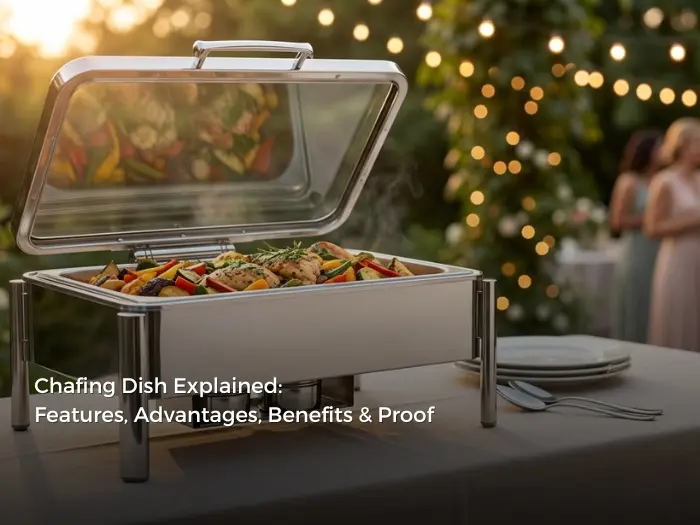
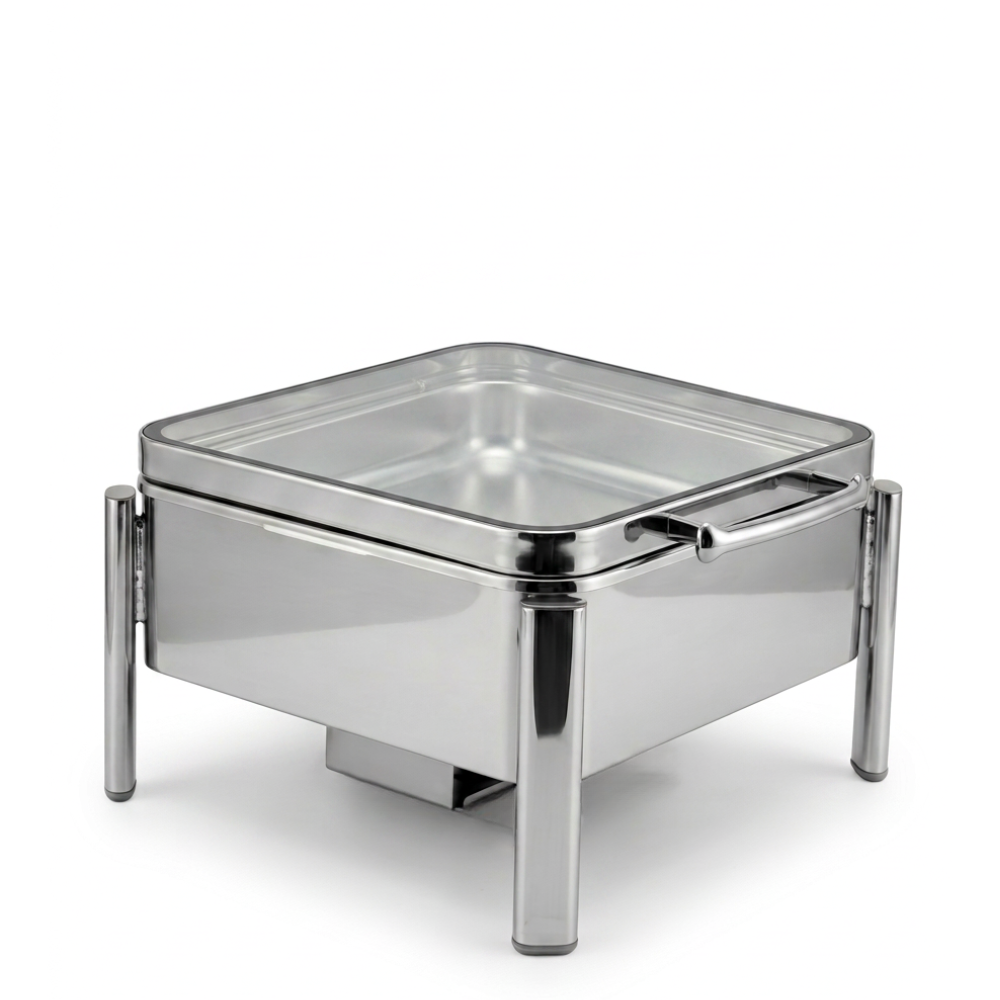
Stackable chafers, such as the Sunnex Z10 Windproof Stackable Series, are cleverly engineered to stack securely, which significantly minimizes storage footprint and makes transportation effortless for busy off-site catering operations. Rather than each unit occupying its own floor or shelf space, multiple chafers nest into a single vertical footprint, freeing up storage area that would otherwise be locked into holding bulky, individually placed equipment.
The Transport Advantage Beyond the Storage Room
Storage efficiency isn’t the only benefit — stackable designs also simplify loading and unloading for catering vans and banquet setups, since a nested stack of chafers can be moved and positioned as one unit instead of multiple separate pieces requiring individual handling. For catering companies running multiple off-site events per week, this reduces both loading time and the risk of damage from repeated individual handling.
When Non-Stackable Still Makes Sense
Non-stackable chafers aren’t obsolete — some premium designs prioritize a heavier, more rigid single-piece frame for stability during long banquet services, which can matter more than storage efficiency for hotels with a fixed, permanent buffet setup that rarely needs to be moved or stacked. The right choice depends on whether the priority is storage density and mobility, or single-unit structural rigidity for a stationary buffet line.
Quick Comparison
| Factor | Stackable Design | Non-Stackable Design |
|---|---|---|
| Storage Footprint | Significantly reduced via secure nesting | Larger — units stored individually side by side |
| Transport Efficiency | Moved as one nested stack, effortless loading | Each unit handled and loaded individually |
| Best-Fit Scenario | Off-site catering, multi-station hotels, limited storage rooms | Fixed, permanent buffet stations prioritizing single-piece rigidity |
Z10 Stackable Chafer Series
-

 New
New10L, Soup Station, Windproof Stainless Steel Chafer (Stackable Z10 series)
Add To Quote -
New
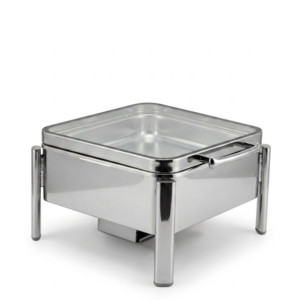
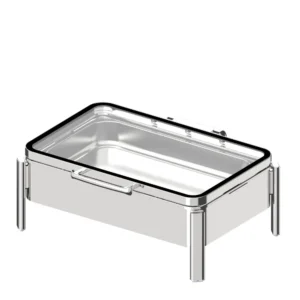
5.5L, 2/3 Size Windproof Stainless Steel Chafer (Stackable Z10 series)
Add To Quote -
New
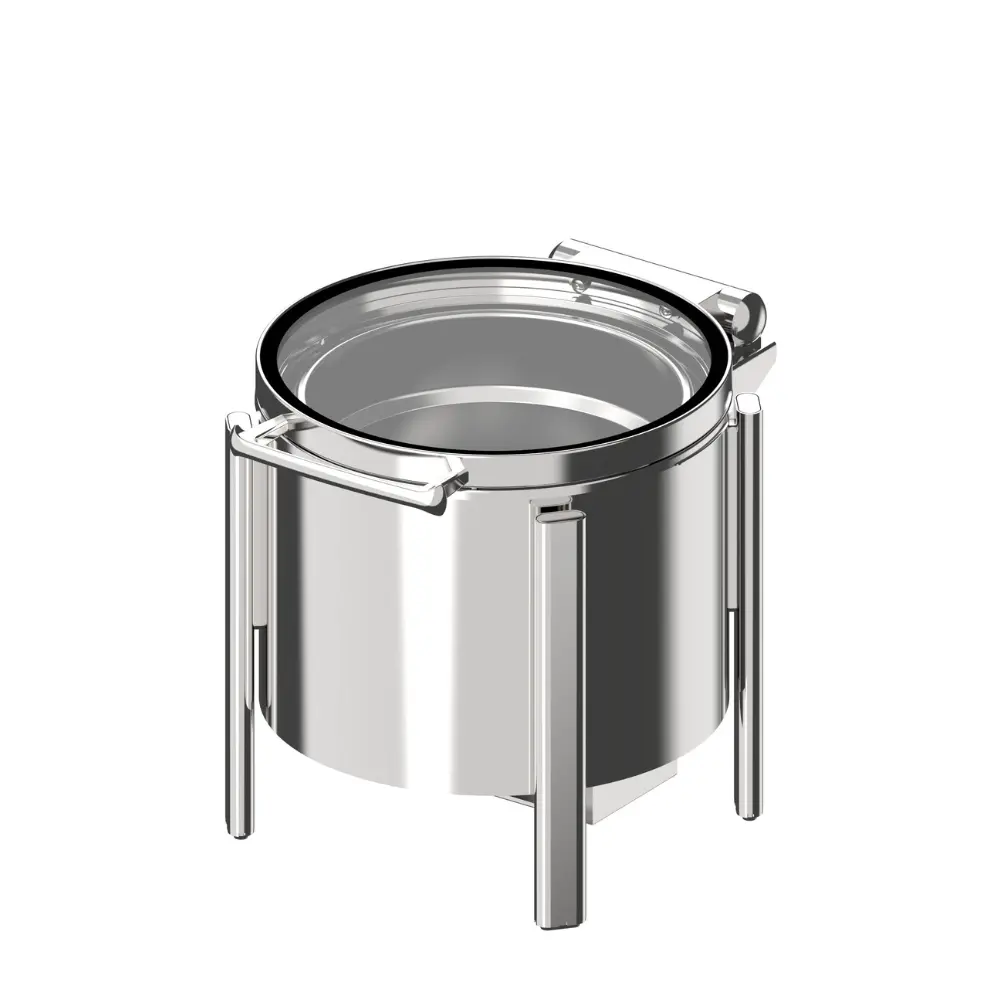
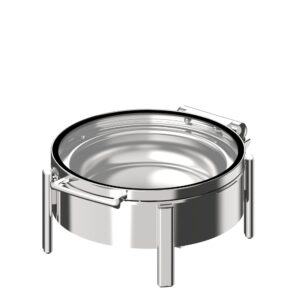
6.8L, Round Windproof Stainless Steel Chafer (Stackable Z10 series)
Add To Quote -
New
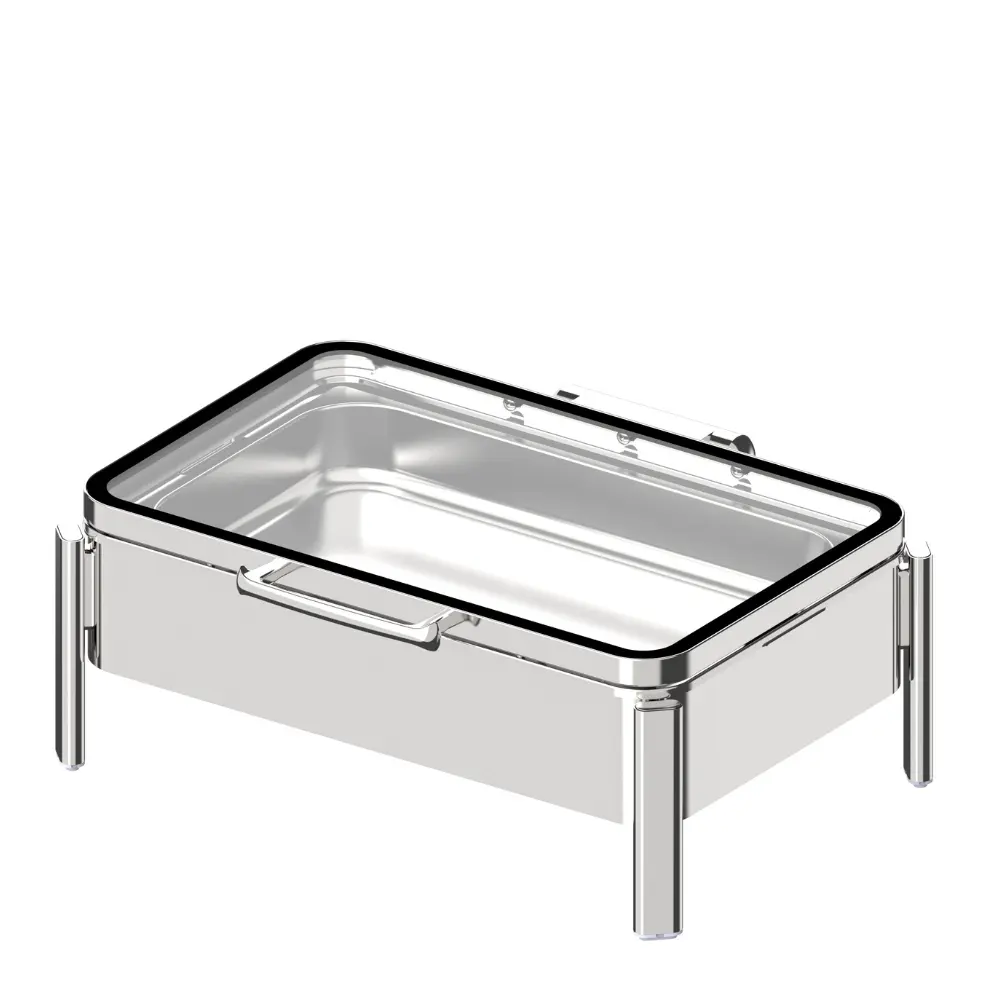
8.5L, 1/1 Size Windproof Stainless Steel Chafer (Stackable Z10 series)
Add To Quote



 YouTube
 Instagram
 Facebook
 LinkedIn